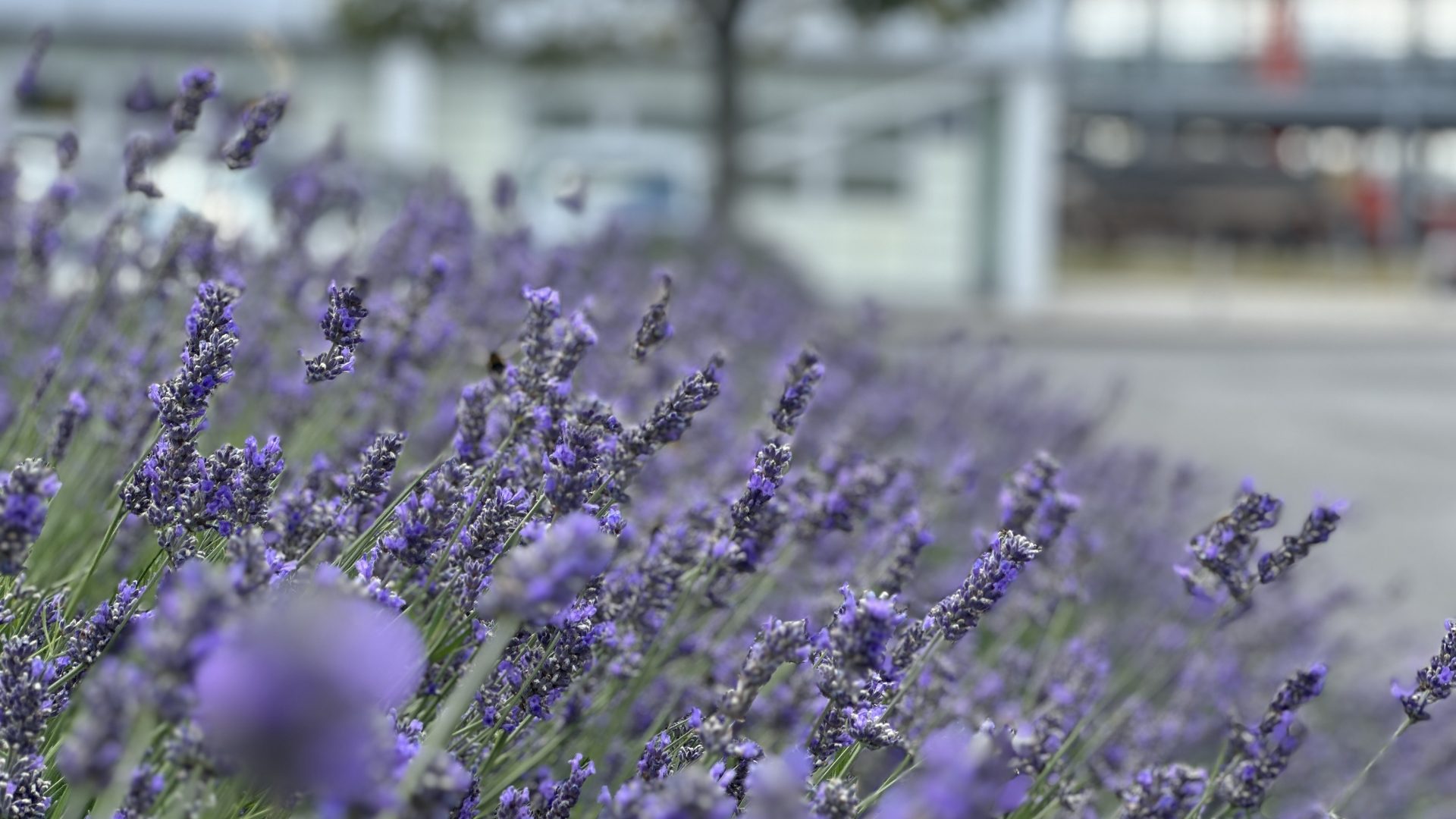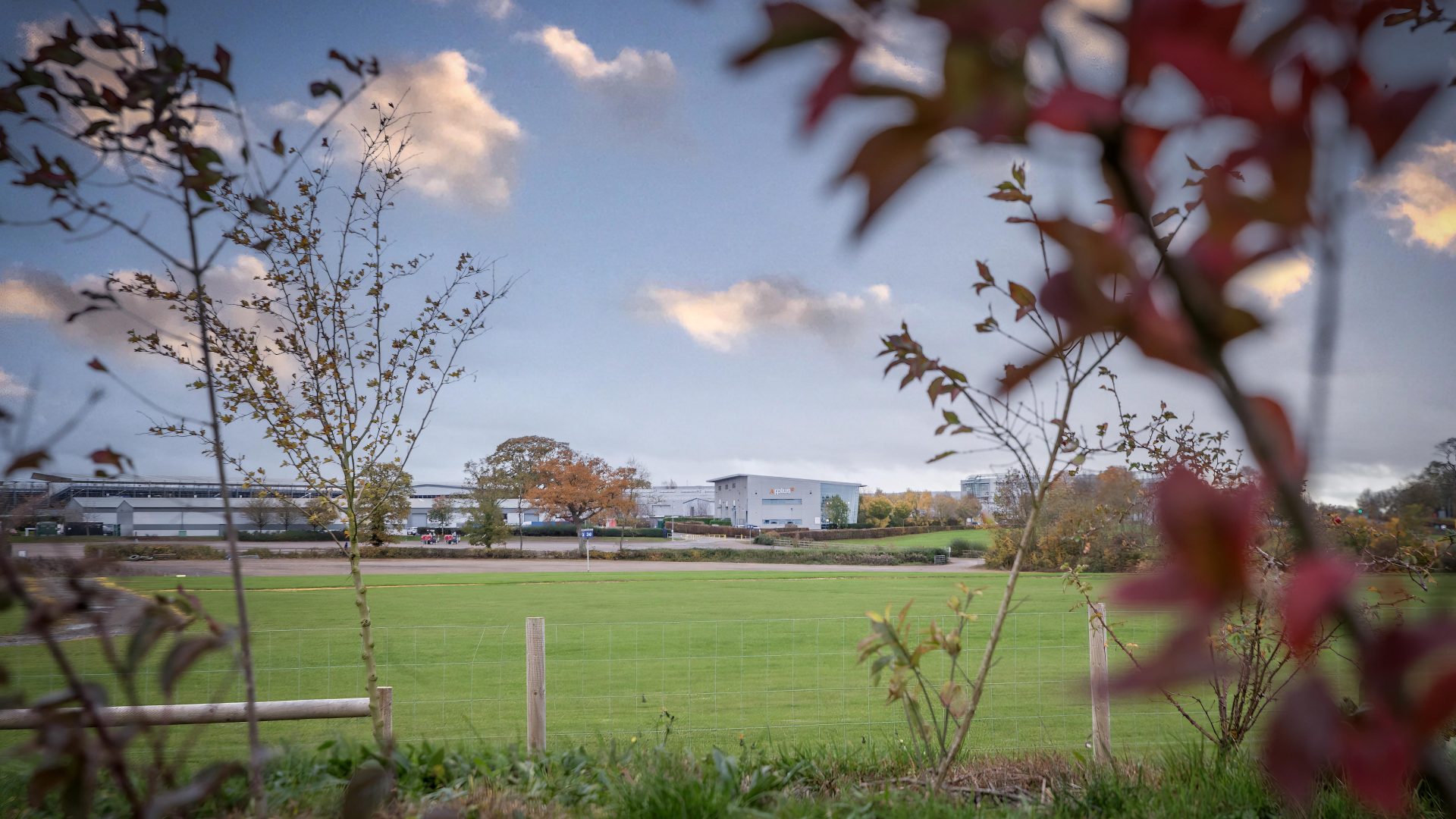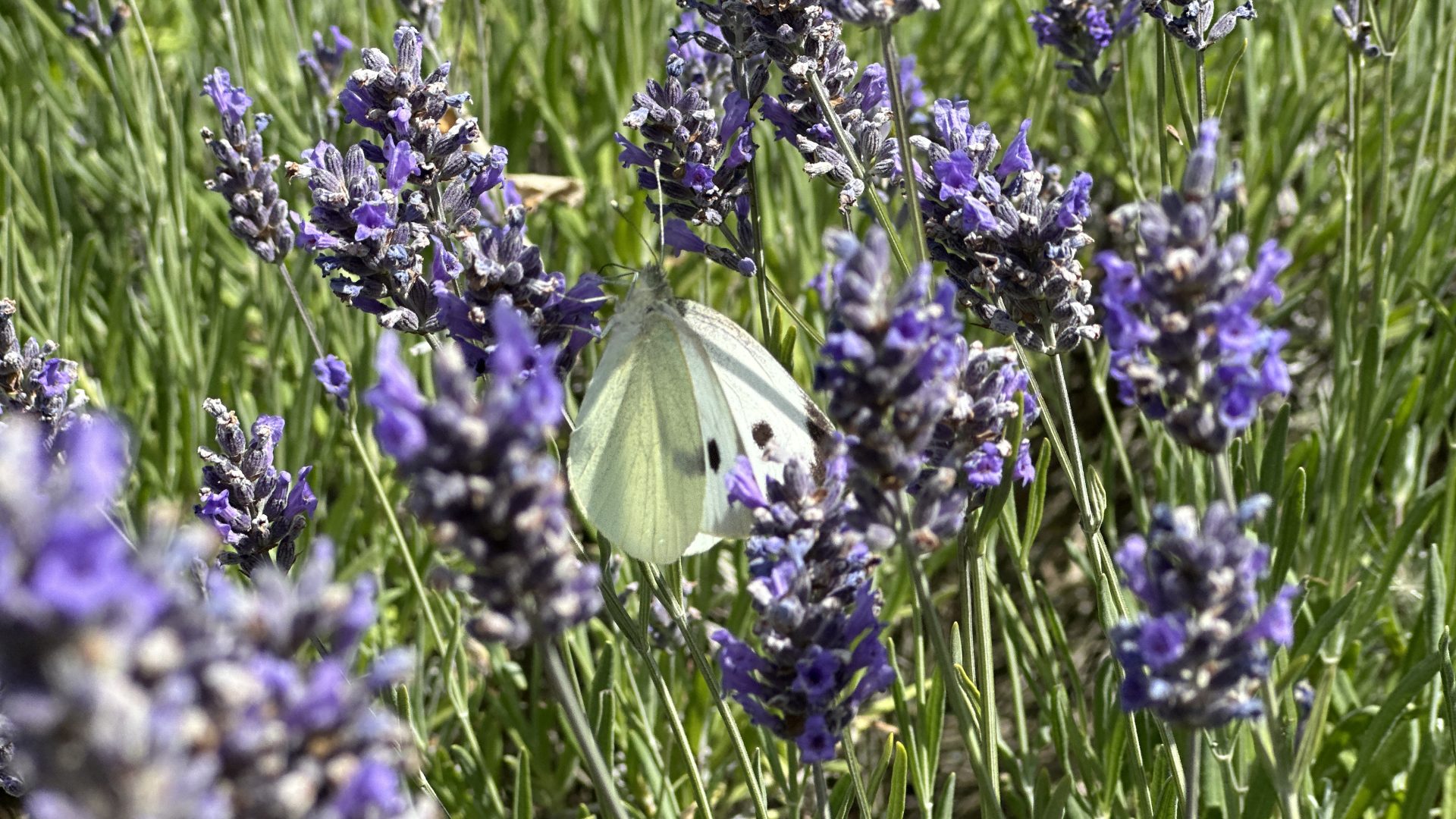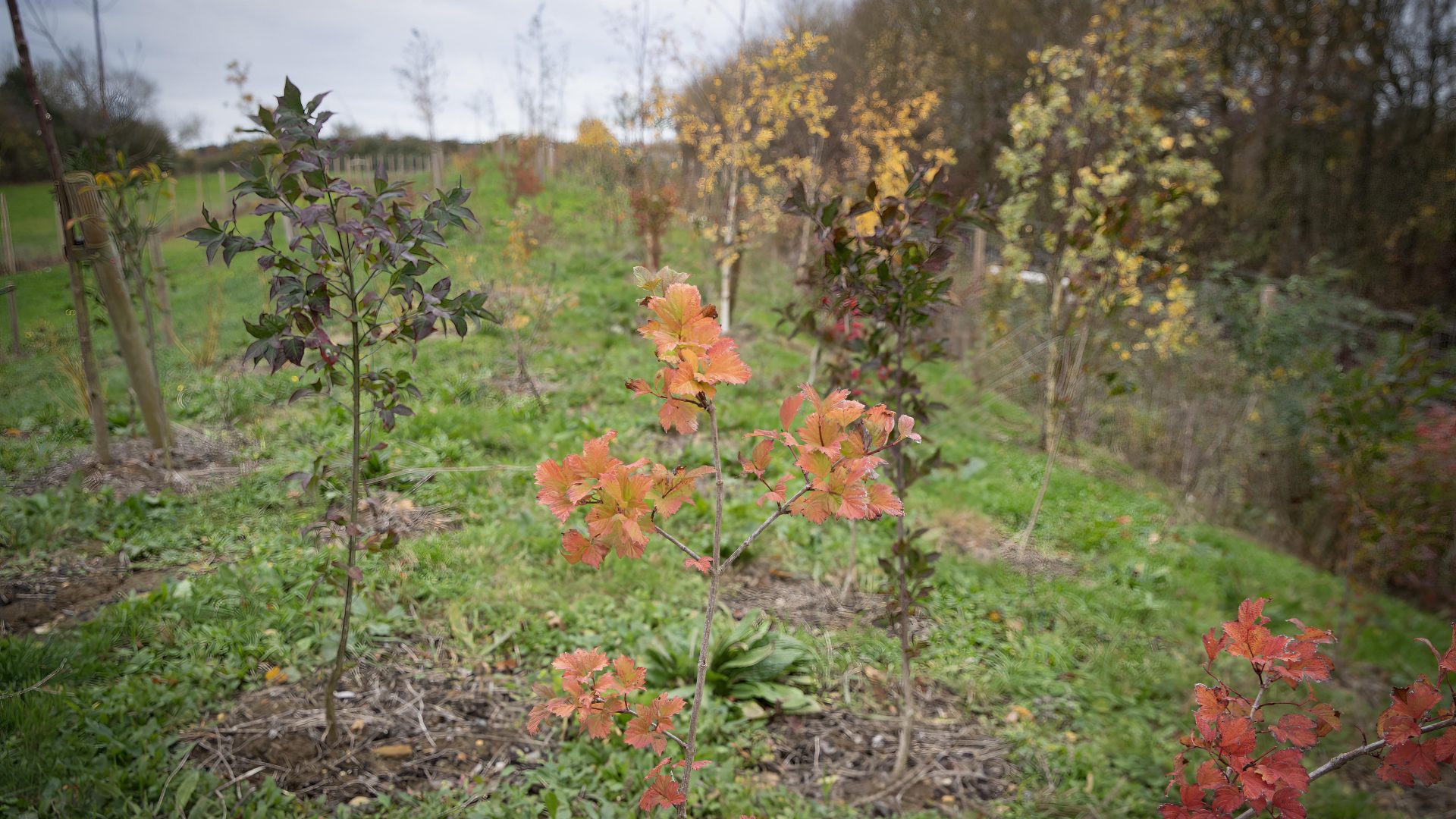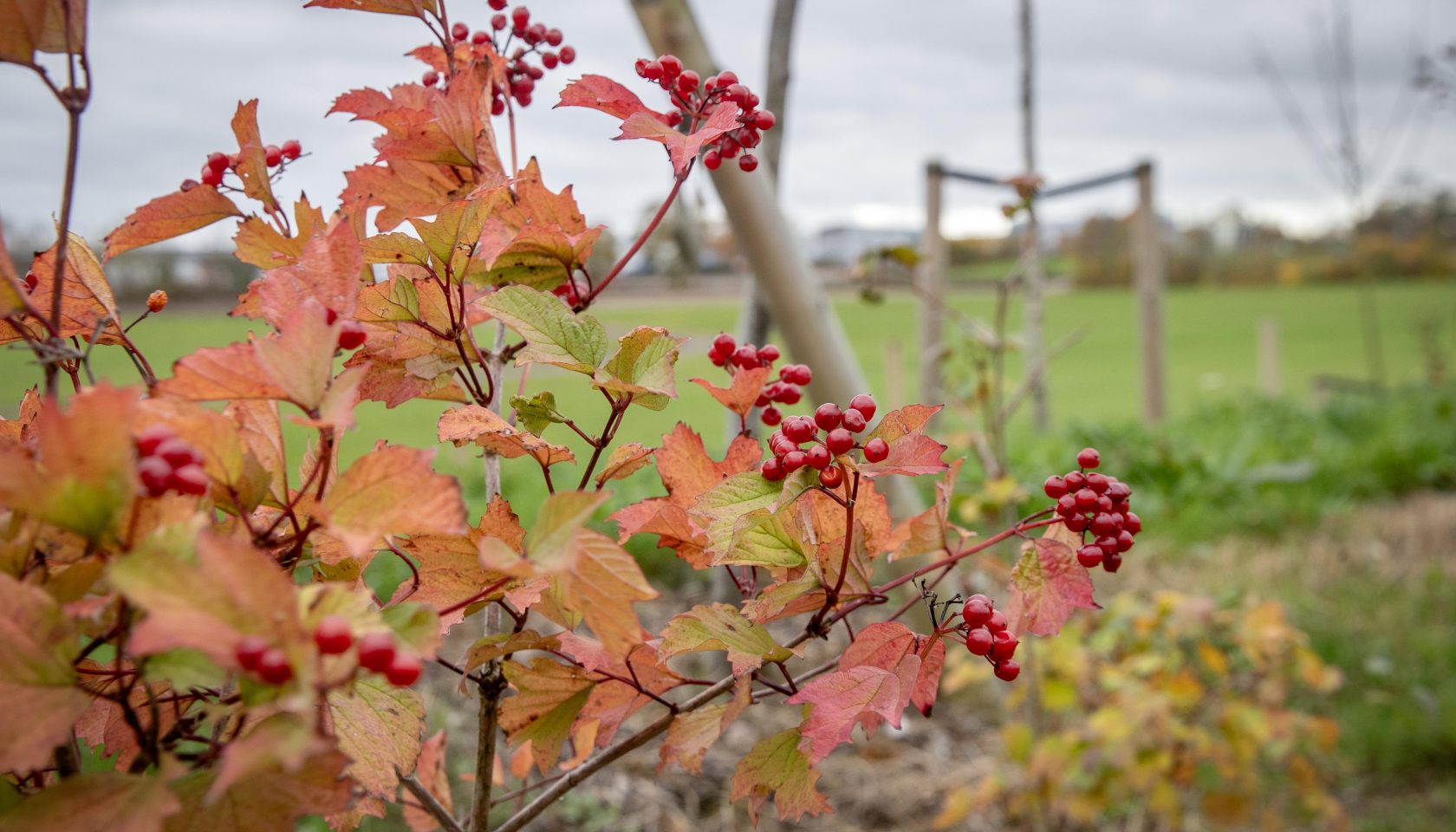
A year after completing strategic perimeter landscaping at Silverstone Park, native trees, hedgerows, shrubs and species-rich grasslands have flourished – forming a vibrant, interconnected network of habitats.
Carolyn Place, Director at ASA Landscape Architects which has carried out much of the work, explained:
“These landscapes are living systems providing food, shelter and movement corridors for a wide range of wildlife.”
Over the past 12 months, more than 400 native trees, 500 metres of hedgerow, and 6,000 shrubs have taken root, complemented by 12,500 m² of tussock and species-rich grassland.
Species such as silver birch, common hazel and bird cherry now provide year-round foraging and nesting opportunities for insects and birds, whilst newly established hedgerows connect habitats across the wider campus.
Carolyn added: “It’s not just about softening the built environment.
“It’s about creating real ecological value – shelter for bats, nesting space for birds and corridors for reptiles and amphibians like the Great Crested Newt.
“Every part of this scheme was designed with local wildlife in mind.”
Seasonal changes bring dynamic shifts to the landscape: summer grasslands attract pollinators, tussocks offer nesting sites for small birds and mammals, and dense winter undergrowth provides crucial shelter and foraging for overwintering species.
This forward-thinking approach demonstrates how high-performance industry can coexist with high-performing green infrastructure.
“As these habitats mature, their ecological value only increases,” said Carolyn.
“We’re proud to be turning Silverstone Park into not only a place of innovation and engineering excellence, but one where biodiversity is thriving.”